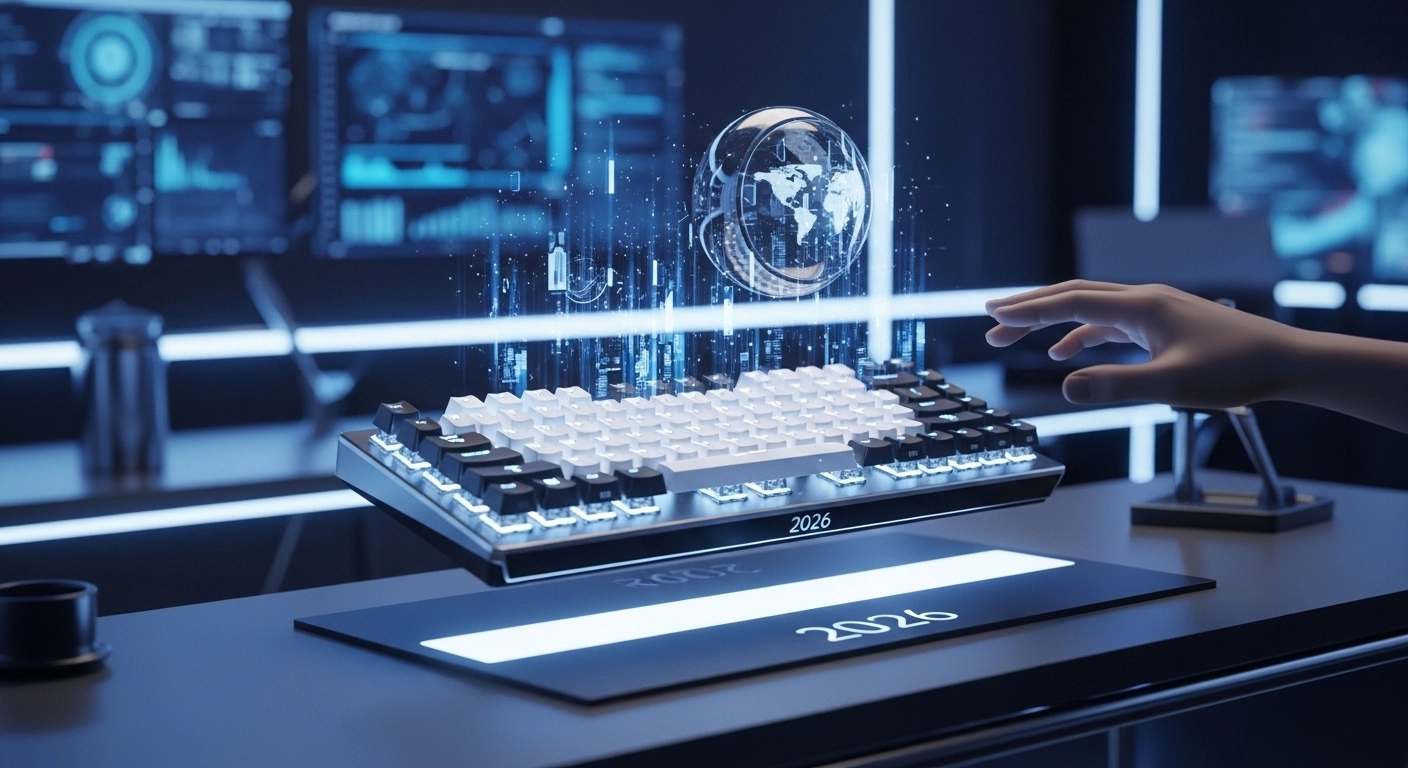
Introduction: The Keyboard is Just the Beginning
For more than half a century, the keyboard has remained remarkably consistent. While the materials have changed and the underlying technology has shifted from springs to circuits and back to springs, the interface has always been: one finger, one key, one character. But as we look at the landscape of 2026, we are on the precipice of a radical evolution. The keyboard is no longer just a peripheral—it is becoming an intelligent, context-aware interface that adapts to the human using it.
In this final 1500-word deep dive, we explore the "Future of Entry." We look at how Artificial Intelligence is being baked into hardware, how haptic technology is blurring the line between physical and digital, and how the keyboards of the next decade may not even require your hands. Welcome to the future of communication.
Section 1: AI-Integrated Hardware – The Context-Aware Switch
In 2026, the biggest news in hardware is the **Intelligent Switch**. Conventional switches are binary—they are either on or off. Modern AI-integrated boards now feature micro-processors in every single key housing.
Predictive Actuation
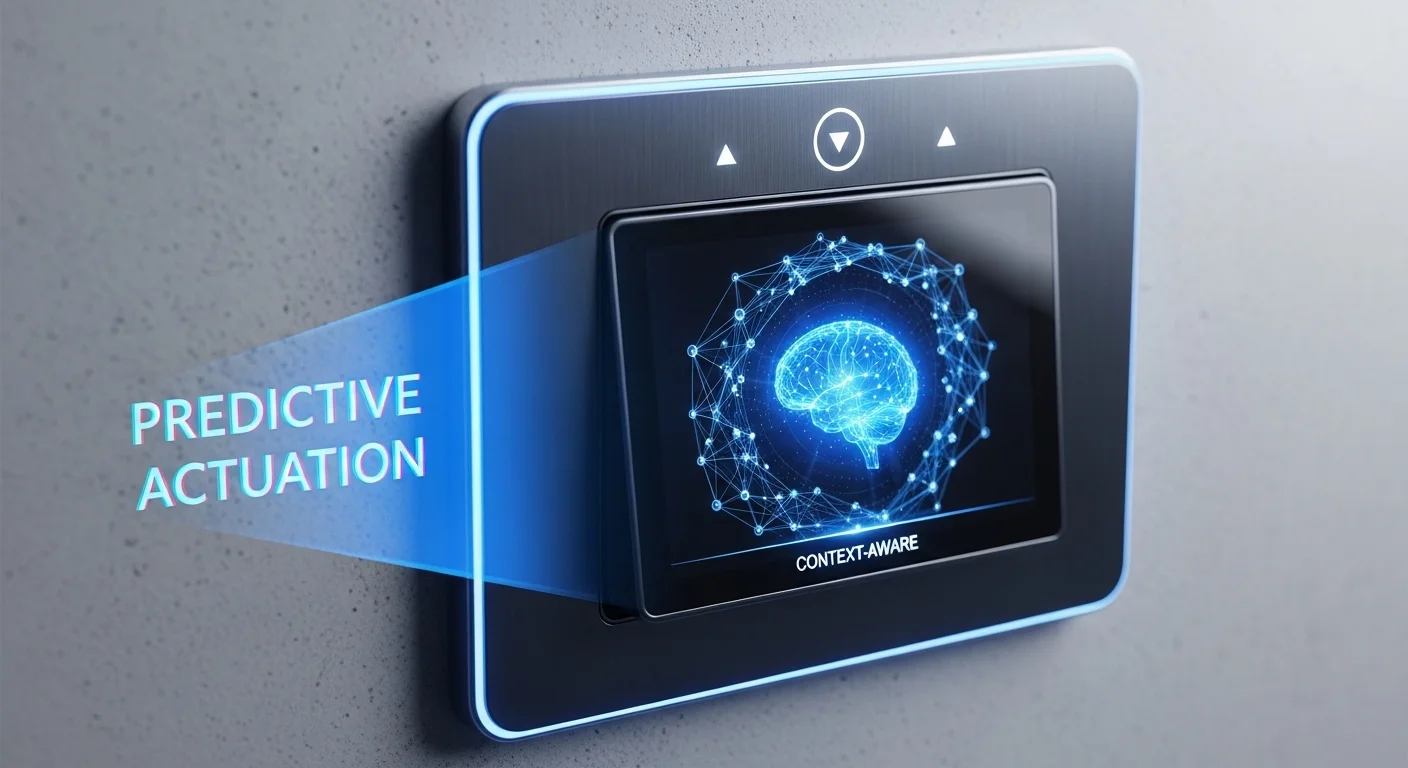
These boards use local machine learning models to analyze your typing patterns in real-time. If the AI detects that you are about to type a specific word or code block, it can actually change the physical resistance of the next required key, making it slightly easier to press. This "haptic steering" reduces typing errors by physically guiding your fingers toward the correct path. It is the first time in history that a keyboard has learned to "talk back" to the person using it.
Section 2: The Rise of Hall Effect and Analog Control
While mechanical switches use physical contact, **Hall Effect** switches use magnets to measure the exact distance a key is pressed. In 2026, this has moved from gaming into the professional sphere. Analog keyboards allow for "pressure-sensitive typing." Imagine a keyboard where pressing a key harder types a CAPITAL letter, or where you can control the scroll speed of a document by how deep you press the Page Down key. This adds a vertical dimension to our typing that has never existed before, turning the keyboard into a 3D input device.
Section 3: Haptic Surfaces – Beyond the Solid Case
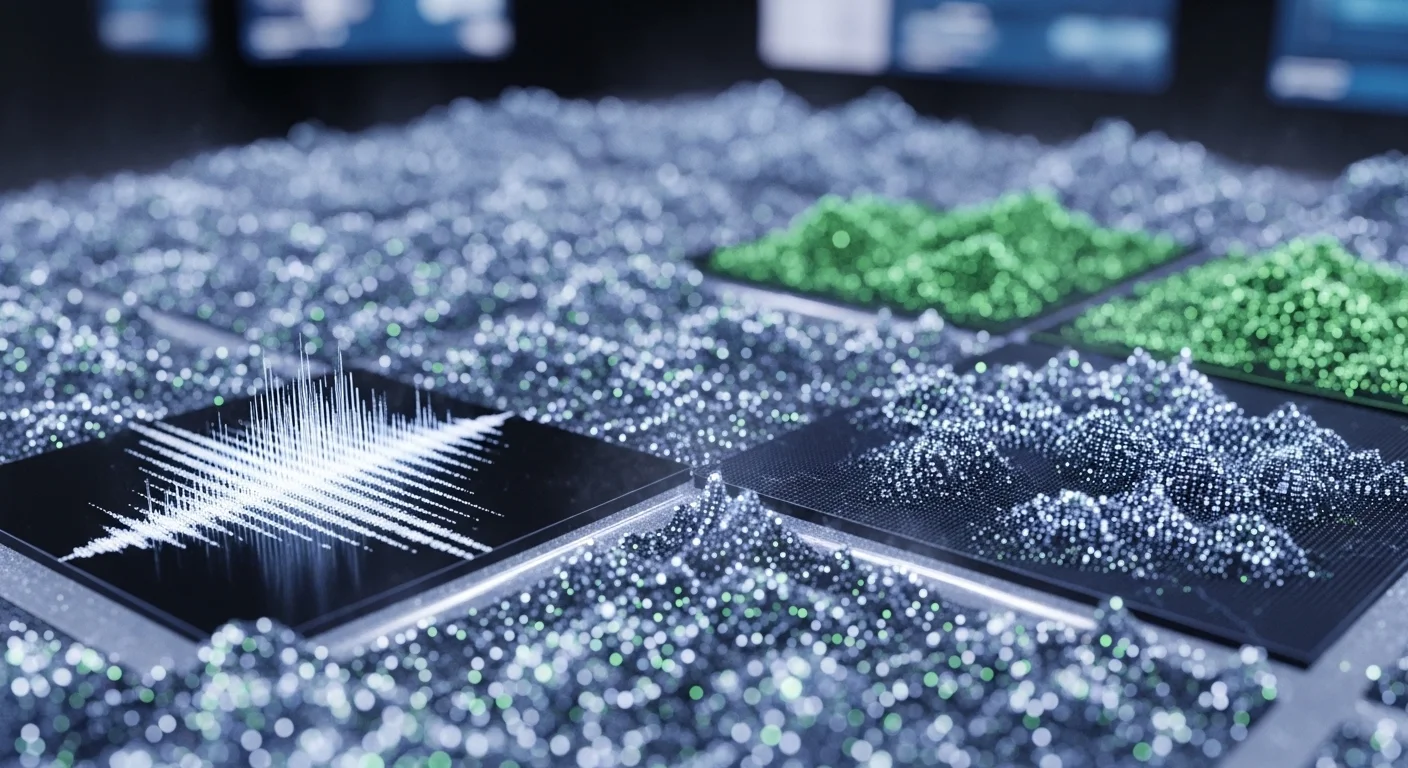
One of the most exciting research areas in 2026 is **Dynamic Surface Haptics**. Imagine a flat glass surface that can physically change its texture using ultrasonic vibrations or micro-fluids. When you need to type, physical "keys" rise up from the surface or create the sensation of a mechanical click through your fingertips. When the task is done, the keyboard disappears, leaving a smooth, multifunctional touch surface. This technology promises the portability of a tablet with the tactile satisfaction of a 1980s mechanical board.
Section 4: Brain-Computer Interfaces (BCI)
We cannot discuss the future of the keyboard without mentioning the technology that might eventually kill it. In 2026, non-invasive BCI "Headbands" have reached their first consumer-ready stage. These devices detect the electrical signals in your motor cortex when you *think* about moving your fingers.
The "Ghost" Keyboard
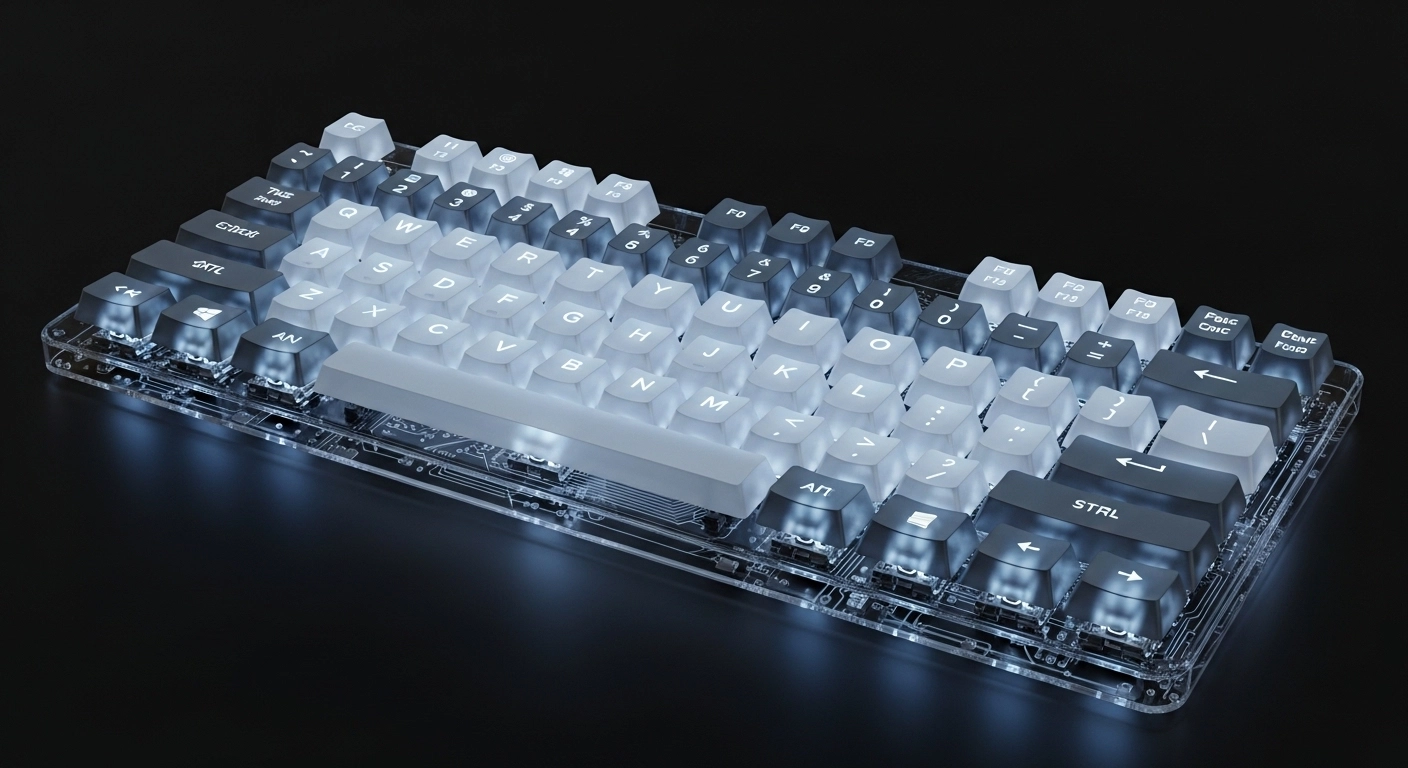
For individuals with mobility challenges or those looking for extreme speed, you can now "type" at the speed of thought without physically moving a finger. However, psychological research in 2026 shows that humans still prefer physical feedback. The "Ghost Keyboard" of the future will likely be a hybrid: a physical board that uses BCI to confirm intent, allowing for speeds of 300+ words per minute with zero physical fatigue.
Section 5: Biomimetic Design – Keyboards that Heal
As we spend 10+ hours a day on our devices, ergonomics has moved toward **Biomimetic Design**. In 2026, we are seeing keyboards made from flexible, "self-healing" materials that slowly change their shape over weeks to match the unique structure of your hands. These boards "grow" with the user, providing a level of orthopedic support that no rigid plastic case could ever offer. The keyboard of the future is not a tool you buy—it is a tool that evolves to fit you.
Timeline of Future Keyboard Tech
| Era | Dominant Tech | Key Innovation |
|---|---|---|
| 2020-2025 | Mechanical / Optical | Hot-swappability & RGB |
| 2026-2028 | Hall Effect / AI-Hardware | Predictive Haptics & Analog |
| 2029-2035 | Dynamic Surfaces | Solid-state tactile morphing |
| 2035+ | BCI Hybrid | Typing at the speed of thought |
Section 6: Why the Physical Keyboard Will Survive
Despite these technological leaps, the physical mechanical keyboard is unlikely to go extinct. Just as we still use pens and pencils in the digital age, humans have a deep-seated need for physical craft. The mechanical keyboard of 2026 has become the "Mechanical Watch" of the computing world—a piece of precision engineering that we value specifically *because* it is physical, tactile, and tangible. The future is not about replacing the keyboard; it is about expanding the ways we can use this perfect tool.
Frequently Asked Questions
Q: Will AI-integrated keyboards be expensive?
Initially, yes. But like all technology, the micro-processors in switches will eventually become cheap enough for mass production. By 2028, expect AI-haptics to be standard in mid-range boards.
Q: Is BCI safe?
Non-invasive BCI (headbands) are completely passive and do not send signals into the brain. They are as safe as wearing a pair of headphones.
Q: Should I wait for these future boards before buying a new one now?
No. The beauty of the mechanical keyboard is its longevity. A high-quality board you buy in 2026 will still be a joy to use in 2036, even if your computer looks completely different.
Conclusion: The Final Word
We are the last generation to view the keyboard as a "static" object. Moving forward, our input devices will be as dynamic and intelligent as the software they control. But at its heart, the goal remains the same: to take the complex, beautiful, and sometimes chaotic ideas in the human mind and bring them into the digital world with grace and precision. The future is bright, it is tactile, and it is just a keystroke away.
Ready to see how your current technology stacks up against the future? Benchmark your responsiveness now.
Test your speed on Keytest.io → Start Test NowThank you for joining us on this 12-article journey through the world of keyboards. Share your thoughts on the future with us!