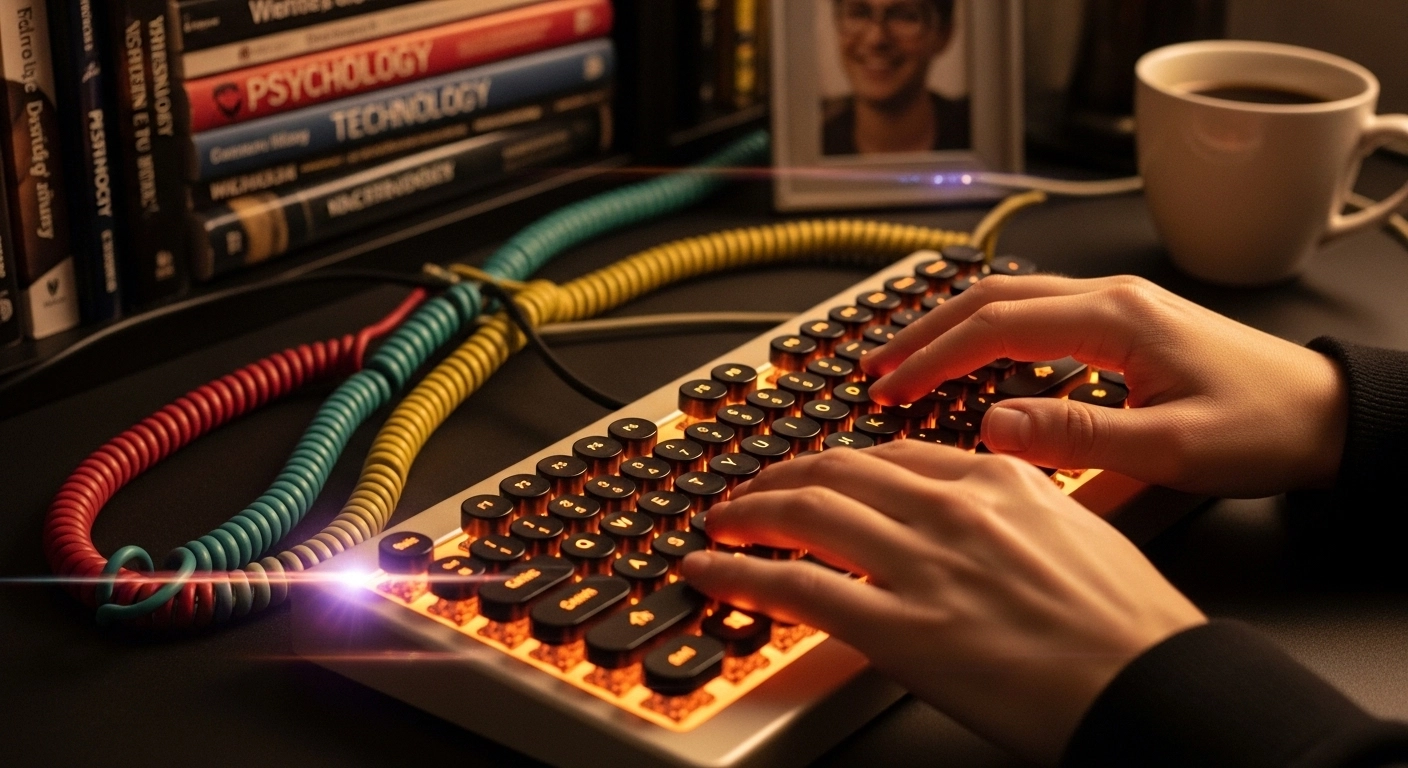
Introduction: The Most Intimate Peripheral
In the vast world of computing, we view our monitors as windows and our mice as pointers. But the keyboard is different. It is the primary tool of expression—the bridge through which our internal thoughts become external reality. In 2026, as digital work becomes more abstract and ethereal, our physical tools have taken on a new level of psychological importance. We don\'t just use our keyboards; we bond with them.
Why do we feel a sense of loss when a favorite board fails? Why does the specific "thock" of a well-tuned switch provide a dopamine hit that a standard laptop keyboard cannot replicate? In this 1500-word exploration, we dive into the cognitive science, the sensory psychology, and the emotional resonance behind the mechanical keyboard hobby.
Section 1: The Tactile Loop and Haptic Feedback
The human brain is wired to seek confirmation for its actions. In 2026, researchers have identified what they call the "Tactile Confirmation Loop." When you press a high-quality mechanical switch, the physical resistance and the eventual "snap" of the actuation provide an immediate, non-visual confirmation to your motor cortex that the task is complete.
Reducing Cognitive Load
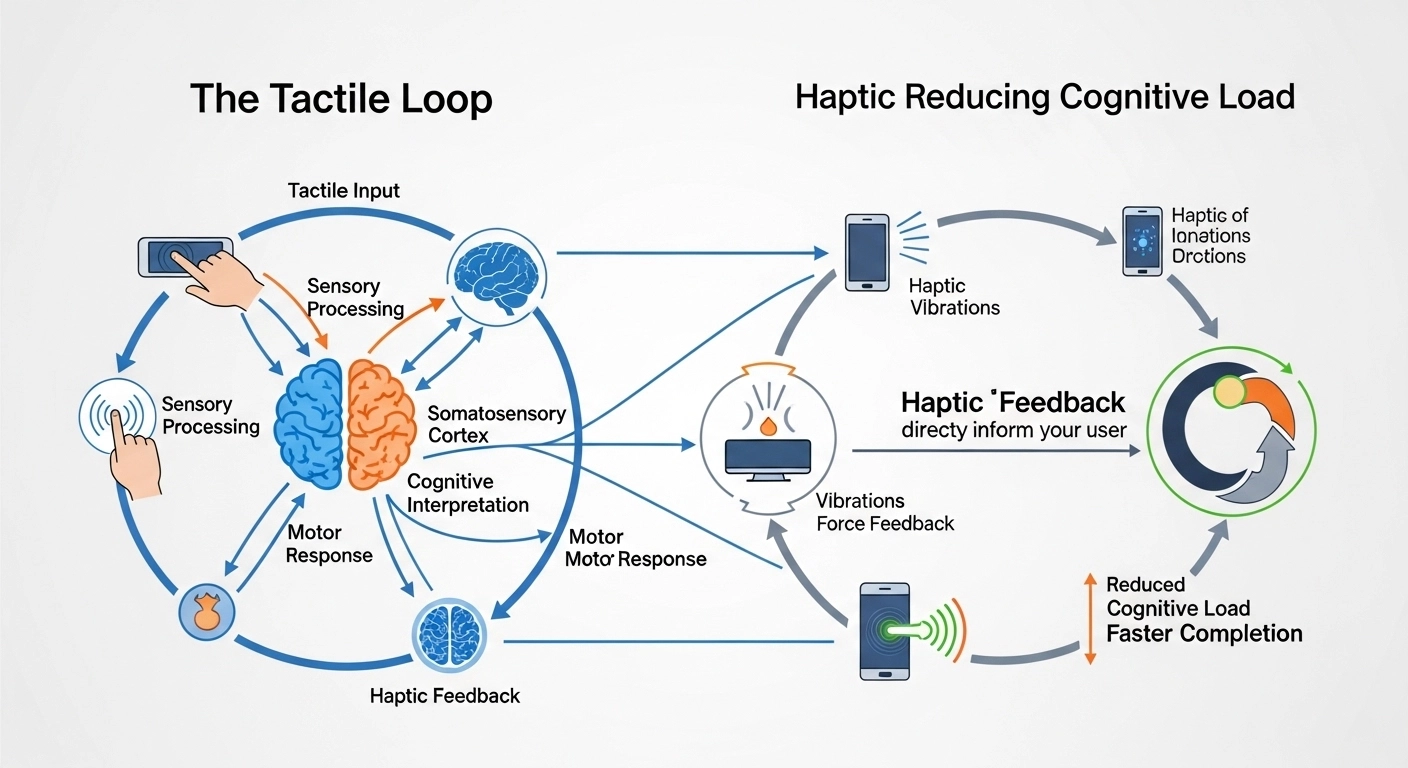
On a shallow, mushy membrane keyboard, your brain has to constantly verify if a keypress actually registered, often leading to a subconscious "bottoming out" with excessive force. A mechanical keyboard with clear tactile feedback reduces this cognitive load. Over hours of typing, this leads to a state of **"Flow"** where the physical act of typing disappears, and you are communicating directly with the screen. This reduction in micro-stress is the foundation of our psychological attachment.
Section 2: The Sound of Success – Acoustic Conditioning
We are auditory creatures. In 2026, the obsession with "keyboard sound signatures" has moved from a niche hobby to a recognized psychological phenomenon. The sound of a keyboard is a form of **Acoustic Conditioning**.
The Reward Signal
Similar to the "click" of a high-end camera shutter or the "thud" of a luxury car door, the sound of a premium keyboard acts as a reward signal. A deep, consistent sound profile (often described as "thocky") signals to the brain that the tool is solid, reliable, and high-quality. Conversely, a tinny, rattling spacebar signals fragility and chaos. By surrounding ourselves with satisfying sounds, we create a micro-environment of competence and stability, which significantly improves mood during long work sessions.
Section 3: Customization and the "Endowment Effect"
The mechanical keyboard hobby in 2026 is built on customization. When you choose the switches, lubricate the stabilizers, and select the keycaps, you are invoking a powerful psychological principle called the **Endowment Effect**.
The IKEA Effect in Computing
Humans value things more highly when they have played a role in creating them. A keyboard that you "built" or personally tuned feels like an extension of your personality. It ceases to be a commodity (like a store-bought mouse) and becomes a **Personal Artifact**. In 2026, the psychology of the workspace is centered on "Identity Anchors"—physical objects that remind us of our agency and our distinct tastes in a world of homogenized digital interfaces.
Section 4: Ritual and the "Work-Trigger"
For many professionals in 2026, the act of sitting down and feeling their specific keyboard is a powerful ritual. Sensory cues are one of the fastest ways to trigger a specific mental state. By using a keyboard that is distinctly different from our "casual" devices (like a phone or tablet), we signal to our brain that it is time for **Deep Work**. This sensory ritual helps bridge the gap between relaxation and productivity, acting as a mental "startup sequence."
Section 5: The Nostalgia Connection
The resurgence of mechanical keyboards is also deeply rooted in nostalgia. The tactile and auditory experience of a 2026 mechanical board recalls the "Golden Age" of computing (the 1980s and 90s). Psychologically, nostalgia provides a sense of continuity and comfort. In an era of rapid AI advancement and digital uncertainty, the physical, mechanical reliability of a keyboard offers a grounding presence—a link to a time when technology felt more tangible and understandable.
Psychological Benefits of a Custom Board
| Principle | Description | Outcome |
|---|---|---|
| Tactile Feedback | Immediate physical confirmation | Reduced micro-stress |
| Acoustic Reward | Satisfying sound signature | Increased dopamine/mood |
| Identity Anchor | Customized aesthetic | Sense of ownership/agency |
| Workflow Ritual | Consistent sensory cues | Faster entry into "Flow" |
Section 6: When Attachment Becomes Obsession
In 2026, we also see the darker side of keyboard psychology: the "Rabbit Hole." The pursuit of the "perfect" board can lead to a cycle of constant dissatisfaction—a phenomenon known as the **Hedonic Treadmill**. Enthusiasts often find that the joy of a new build lasts only a few weeks before they start noticing a tiny "ping" or a slightly imperfect keycap. This constant searching is a hallmark of the hobby, driven by our brain\'s natural desire for optimization and novelty.
Frequently Asked Questions
Q: Why do I hate typing on my laptop after using a mechanical board?
Your brain has been "re-calibrated" to a higher standard of feedback. The low travel and lack of tactility on a laptop feel like "sensory deprivation" to a brain accustomed to mechanical clarity.
Q: Can a keyboard actually make me more creative?
Indirectly, yes. By reducing the physical and mental friction of typing, you free up cognitive resources for the actual content of your thoughts.
Q: Is it weird to talk about the "soul" of a keyboard?
In a psychological sense, no. We are anthropomorphic by nature. We attribute character to the tools we use most often, especially those that provide rich sensory feedback.
Conclusion: The Architecture of Entry
The keyboard is the architecture through which we enter the digital world. In 2026, we have realized that the quality of that architecture matters. It impacts our mood, our health, and our sense of self. We get attached to our keyboards because they are the physical witnesses to our most productive, creative, and social moments. They are not just peripherals; they are part of our personal story.
Feeling disconnected from your typing experience? Run a diagnostic and see if your board is providing the consistent performance your brain deserves.
Check your keyboard consistency on Keytest.io → Start TestShare this psychological dive with your fellow enthusiasts and discuss your own "keyboard bonds"!